Clear dental aligners can correct most cosmetic and mild-to-moderate orthodontic issues, almost invisibly, in 6–14 months — and treatment in Sofia typically costs around half of UK private prices. This guide explains how aligners work, who they suit, what to expect from a treatment trip to Bulgaria, and how to decide whether aligners or fixed braces are the right tool for your case.
What are clear aligners?
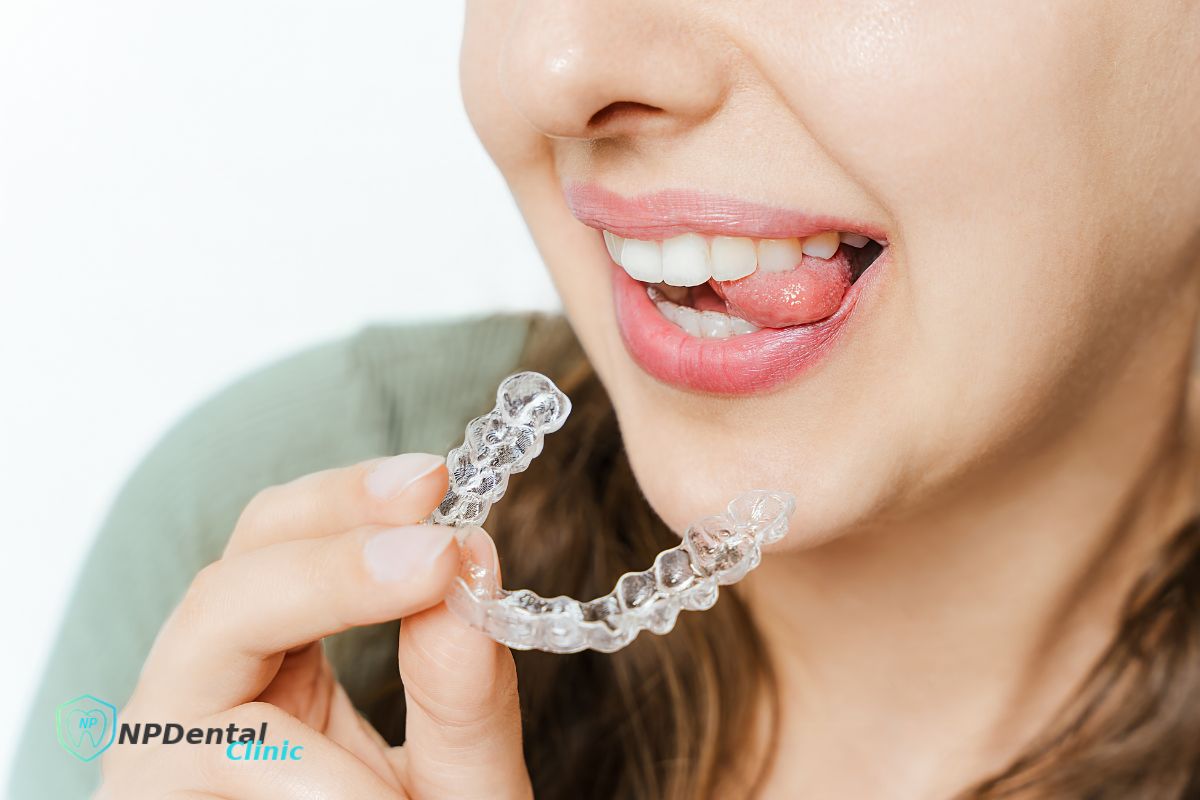
Clear aligners are transparent, custom-made plastic trays that fit precisely over your teeth. Each tray gently moves your teeth a fraction of a millimetre, and you change to the next tray every 1–2 weeks. Over a series of trays, your teeth move into the planned final position.
They differ from traditional braces in three important ways:
- Almost invisible — most people will not notice you are wearing them.
- Removable — you take them out to eat, drink and clean your teeth.
- Designed digitally from day one — you can preview your future smile before treatment starts.
What can clear aligners actually treat?
Modern aligner systems are clinically proven for the vast majority of orthodontic concerns adults present with. They are particularly effective for:
- Mild to moderate crowding
- Spacing and gaps between teeth
- Tipped or rotated front teeth
- Mild crossbite, overbite or underbite
- Relapse after old braces
Where fixed braces still tend to outperform aligners is in severe rotations of large teeth, complex bite issues that need rigid mechanical control, or cases involving significant vertical movement. A good clinician will tell you honestly when aligners are not the best tool for the job.
How much do clear aligners cost in Bulgaria vs the UK?
Aligner systems vary in complexity, so the right way to compare prices is by case type rather than by brand.
Single-arch aligners (limited correction)
- UK private: £1,800 – £2,800
- Bulgaria: £900 – £1,500
Full upper + lower aligners (mild–moderate cases)
- UK private: £3,500 – £4,800
- Bulgaria: £1,600 – £2,500
Comprehensive aligner case (12–18 months)
- UK private: £4,500 – £6,500
- Bulgaria: £2,200 – £3,500
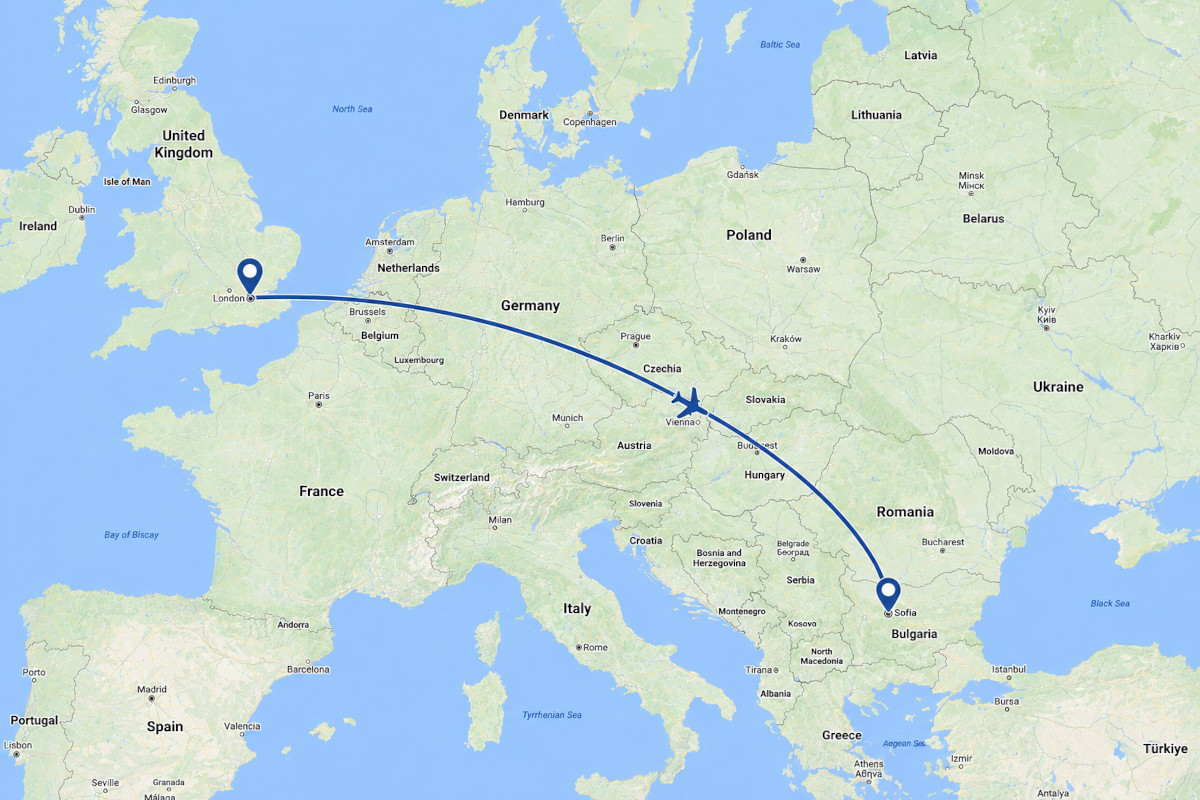
Most cases are completed in 1–2 short visits to Sofia (the rest of the treatment is monitored remotely), so flight and accommodation costs are low — typically £200–£400 in total.
The single most important predictor of a great aligner outcome is not the brand — it is the experience of the clinician who designs the digital treatment plan. Choose the planner, not the trademark.
How does aligner treatment work, step by step?
Step 1 — Free online consultation
You send a few photos of your smile and describe what you want to change. The clinic tells you honestly whether aligners can deliver the result you want, and gives you an estimated price range. No payment at this stage.
Step 2 — First visit to Sofia (1–2 days)
An intra-oral 3D scan is taken — no messy putty impressions. From the scan, a specialist designs your full digital treatment plan and you can preview your final smile before any aligner is made.
Step 3 — Aligners delivered
Your full set of aligners is manufactured and posted to you in the UK. You change to a new tray every 1–2 weeks and wear each one for 20–22 hours a day.
Step 4 — Remote monitoring
You send progress photos every few weeks and we keep you on track by WhatsApp and email. Most patients only need to come back to Sofia once or twice during the active phase.
Step 5 — Refinements and retainers
At the end of treatment, a small set of refinement aligners may be issued to perfect the result. You then move to retainers (worn at night) to keep your new smile in place permanently.
What does it feel like to wear aligners?
The first 24–48 hours with each new aligner can feel tight as your teeth start to move — most patients describe it as pressure rather than pain. After that, the aligners feel like a natural part of your day. There are no metal brackets to irritate your cheeks, no food restrictions and no special cleaning routines.
For aligners to work, they must be worn 20–22 hours a day. They only come out for eating, drinking anything other than water, and brushing. If you know yourself well enough to commit to that, the experience is excellent. If you would prefer a “fit and forget” option, fixed braces remove the discipline question.
Are clear aligners as effective as braces?
For mild and moderate cases — which is the majority of adult orthodontic concerns — yes, aligners deliver results that are clinically equivalent to fixed braces. For severe and complex cases, fixed braces remain the more reliable tool. The treatment time is broadly similar between the two — aligners are not faster, despite some marketing claims.
This is why a good clinician will sometimes recommend braces, even when a patient walks in asking specifically for aligners. Honesty about what each tool does best is the difference between a good outcome and a relapse.
How to choose an aligner clinic — a UK-patient checklist
- Is your case planned by a specialist, not just a general dentist running a software template?
- Do you receive a digital simulation of your final smile before any aligner is made?
- Are the aligners CE / FDA certified, BPA-free, medical-grade material?
- Is remote monitoring offered between visits, with a real human you can WhatsApp?
- Are refinement aligners and final retainers included in the quoted price, or extras?
- Can you talk to a clinic manager — not just an online sales agent — before paying?
How long does treatment take?
Treatment time depends on the case:
- Mild cases: 4–8 months
- Moderate cases: 9–12 months
- Comprehensive cases: 12–18 months
Most patients see noticeable change in the first 6–8 weeks — particularly with crowding and gaps — which is often the hardest part of any orthodontic treatment to wait for.
Frequently asked questions
Will clear aligners affect my speech?
You may notice a very slight lisp on certain sounds (especially "s" and "th") for the first few days of wearing aligners. The brain adapts within roughly a week and most patients report no speech impact thereafter.
Can I drink coffee or tea with aligners in?
You should remove the aligners for anything other than plain water. Hot drinks can warp the plastic, and pigmented drinks (coffee, tea, red wine) will stain the aligners and the tooth surfaces beneath them. Take them out, drink, brush, put them back in.
Do aligners give the same results as Invisalign?
Modern aligner systems use the same medical-grade thermoplastic and the same biomechanical principles as Invisalign. The result depends on the planner, not the brand label. Many clinics outside Invisalign’s network use equally capable systems at lower cost — which is one reason aligner treatment in Bulgaria is significantly more affordable.
What happens if I lose an aligner?
Tell your clinic straight away. The standard guidance is to drop back to your previous aligner so you do not lose progress, while a replacement is manufactured and posted to you.
Will I need to wear retainers forever?
Yes — though only at night. Teeth have memory and will gradually drift back towards their original positions without retention. Wearing a thin clear retainer at night is the standard, simple way to keep your new smile in place for life.
Find out if aligners are right for you
If you would like an honest opinion on whether clear aligners can deliver the result you have in mind — including whether your case is better treated with fixed braces — send a few photos of your smile and we will reply with a clear answer.
Book a free consultation or read more about our clear aligners in Sofia.